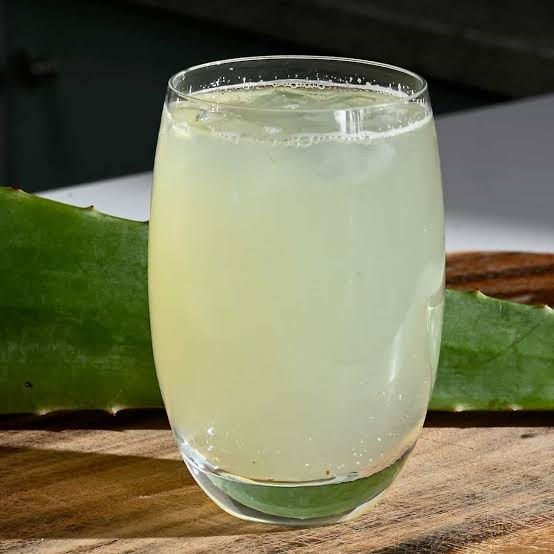
Yes, you can absolutely juice an aloe vera plant! However, you cannot just throw the whole leaf into a juicer.
An aloe vera leaf has three main parts, and preparing it safely means separating the beneficial parts from the parts that can cause severe stomach upset.
As you can see in the diagram, directly under the green rind sits a yellowish layer called aloe latex. This latex contains aloin, a compound with intense laxative properties that can cause severe abdominal cramps if ingested. When juicing aloe, your goal is to harvest only the clear inner leaf gel and rinse away any trace of that yellow latex.
Pros and Cons of Drinking Aloe Vera
The Pros
Digestive Soothing: Aloe vera gel is highly anti-inflammatory for the gut lining and is frequently used to ease symptoms of acid reflux, IBS, and general indigestion.
Deep Hydration: It is incredibly water-dense and packed with electrolytes, making it excellent for skin hydration and recovery.
Nutrient Rich: The inner gel contains vitamins C, E, and B, as well as antioxidants and enzymes that aid in breaking down sugars and fats.

The Cons
The "Latex Risk": If not cleaned properly, consuming the aloin in the latex layer can cause severe diarrhea, cramping, and dehydration.
Bitter Taste: Pure aloe gel has a sharp, slightly bitter, and highly astringent taste with a thick texture. It needs to be paired with strong, refreshing ingredients to taste good.
Medication Interferences: Because it can lower blood sugar and affect potassium levels, anyone on diabetes medications, diuretics, or blood thinners should consult a doctor before drinking it regularly.
The Recipe: Green Hydration Aloe Tonic
Because pure aloe gel is so thick, it performs best when blended with high-water, crisp ingredients. This refreshing green blend completely masks the bitterness of the aloe.
Ingredients
2 tbsp pure, rinsed aloe vera inner gel
1 large cucumber
2 stalks celery
1/2 green apple
1/2 lemon (peeled)
1" knob fresh ginger